






russia today - 2/17/2026 11:19:28 AM - GMT (+3 )
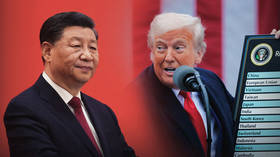
Washington’s tariffs on African countries reflect domestic economic pressures, while Beijing’s zero-duty move shows the effort to strengthen its leadership in trade, Andrey Maslov has said
The US is seeking to maintain its position in Africa “through power and political manipulation,” while focusing largely on energy and critical minerals, compared with China’s broader economic engagement, the head of the Center for African Studies at Moscow’s Higher School of Economics has told RT.
Andrey Maslov made the remarks following China’s decision to remove tariffs on imports from 53 African countries. The move, set to take effect on May 1, was announced by Chinese President Xi Jinping in a message to the African Union during a summit in Ethiopia on Saturday. Officials say the measure will boost trade between China and the continent.
Maslov said the zero-tariff policy reflects China’s effort to “further reorient its trade flows,” adding that the move will also benefit Chinese investors in various industries.
He said China’s trade surplus, shrinking population, and rising labor costs were encouraging companies to shift production abroad, including to Africa.
The move comes at a time of growing trade tensions between Washington and several African states, including South Africa, which has faced tariff pressure and disputes with the US over trade and diplomatic relations.
According to Maslov, Washington’s main motive for imposing tariffs on goods from Africa is “a crisis in the US itself,” adding that it has been “forced onto an isolationist path.”
“Huge debt and deficits mean that consumption, especially imports, must be reduced,” Maslov said, adding that the US “has long bought itself global leadership at the cost of protecting its own producers, but can't afford that anymore.”
China has been Africa’s largest trading partner for nearly two decades, financing railways in Kenya, industrial parks in Ethiopia, and mining projects in Zambia as it deepens commercial ties across the continent.
read more